Replacing a Missing Tooth Without Harming Neighbouring Teeth
Myth: “To replace a missing tooth, the dentist has to grind down the healthy teeth on either side.”
Fact: That is true only for one option, the traditional dental bridge. A dental implant replaces the missing tooth on its own, without touching the teeth beside it.
If you are searching for a Dental Implant Near Nallagandla, this is probably the question behind your search: can I fix the gap without damaging the teeth I still have? The short answer is yes, in most cases. This guide explains how, who it suits, and what to check before you commit.
What Is a Dental Implant?
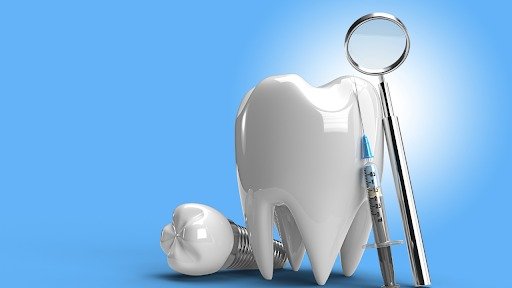
A dental implant is a small titanium post placed in the jawbone where the tooth root used to be. Over a few months, the bone bonds with the post in a process called osseointegration. A custom crown is then fixed on top.
An implant has three parts:
- The implant post: acts as the artificial root.
- The abutment: a connector that joins the post to the crown.
- The crown: the visible, tooth-shaped part, matched to your natural teeth in shape and shade.
Because the post sits in the bone and not on neighbouring teeth, those teeth are left as they are.
Why a Missing Tooth Should Not Be Left Alone
Many people delay replacing a tooth, especially at the back of the mouth. The gap, however, causes problems over time:
- Bone loss: Without a root to stimulate it, the jawbone under the gap gradually shrinks.
- Drifting teeth: Neighbouring teeth tilt into the space, and opposing teeth can move upward or downward.
- Bite problems: Uneven chewing forces can strain the jaw joint and wear down other teeth.
- Gum issues: Food traps in the gap and tilted teeth are harder to clean, raising the risk of decay and gum disease.
- Chewing difficulty: You may unconsciously avoid certain foods or chew on one side.
Replacing the tooth early helps avoid all of these.
How an Implant Protects Nearby Teeth
This is where an implant differs from other options. A dentist searching for the best way to fill a gap will usually weigh three choices:
Dental implant
- Stands independently in the jawbone.
- Does not require reshaping adjacent teeth.
- Helps preserve the bone under the gap.
- Can last many years with good care.
Fixed dental bridge
- Needs the neighbouring teeth to be filed down and capped to hold the replacement tooth.
- Does not stimulate the jawbone, so bone loss can continue.
- Can be completed faster than an implant.
Removable partial denture
- Is the most affordable option.
- Can feel bulky and may shift while eating or speaking.
- Clasps can put pressure on nearby teeth.
When the neighbouring teeth are healthy, an implant is usually the most conservative choice. That is why many people now look for a Dental Implant Near Nallagandla rather than settling for a bridge.
The Dental Implant Process, Step by Step
Knowing the process makes it less intimidating. A typical journey looks like this:
- Consultation and imaging: The dentist examines your mouth, takes X-rays or a 3D scan, and checks your bone and gum health.
- Treatment planning: You receive a written plan with the timeline, the number of visits and the cost.
- Tooth removal or bone preparation (if needed): A damaged tooth may need to be extracted first. If the bone is thin, a bone graft may be advised.
- Implant placement: The post is placed under local anaesthesia. Most patients describe the experience as comfortable.
- Healing: Over the next few months, the implant fuses with the bone. Your dentist may provide a temporary tooth in the meantime.
- Abutment and crown: Once the implant is stable, the final crown is attached.
- Follow-up: Regular check-ups and cleanings keep the implant and gums healthy.
Healing times vary from person to person, so your dentist will give a timeline specific to you.
Who Is a Good Candidate?
Most healthy adults can have an implant. Your dentist will check:
- Enough jawbone: Bone grafting can help if there is not enough.
- Healthy gums: Active gum disease should be treated first.
- General health: Conditions such as uncontrolled diabetes can slow healing and need to be managed.
- Lifestyle habits: Smoking and tobacco use raise the risk of implant problems.
- Commitment to oral hygiene: Implants need the same careful brushing, flossing and check-ups as natural teeth.
If you are not an ideal candidate, a good dentist will explain why and suggest an alternative instead of pushing ahead.
How to Choose the Right Clinic
Not every clinic offers the same level of implant care. Before booking, look for:
- A dentist with implant training and experience: Ask how many implants they place and whether a specialist is involved.
- Digital imaging: A 3D scan or detailed X-ray allows precise planning.
- Quality, traceable implant systems: Ask which brand is used and request documentation.
- Transparent pricing: The quote should state what is and is not included, such as the crown, abutment and follow-ups.
- Clear aftercare: You should know how follow-ups work and who to call if something feels wrong.
- Hygiene standards: Instruments should be sterilised and single-use items discarded after each patient.
These checks matter more than any discount, because an implant is a long-term investment.
Implant Care After Treatment
An implant cannot decay, but the gum and bone around it can still develop infection. To protect your investment:
- Brush twice daily and clean between teeth every day.
- Use an interdental brush or water flosser if your dentist recommends one.
- Attend regular check-ups and professional cleanings.
- Avoid smoking and tobacco.
- Do not chew very hard objects such as ice or pen caps.
- Tell your dentist if the gum looks red or bleeds, or if the implant feels loose.
Why Patients Choose Finedent Dental Clinics
If you are looking for a Dental Implant Near Nallagandla, Finedent Dental Clinics offers implant treatment to patients across Nallagandla, Nanakramguda and nearby parts of Hyderabad. The focus is on careful diagnosis, a clear explanation of options, and a treatment plan that protects your existing teeth.
At Finedent, you can expect:
- A detailed consultation to check whether an implant suits you
- Honest guidance on implants versus bridges and dentures
- A written plan that explains the steps, timeline and cost
- Support from diagnosis through to the final crown and follow-up
You can read about the clinic’s services and book a visit on the Finedent website.
Questions to Ask Before Starting Treatment
Bring this short list to your consultation:
- Am I a suitable candidate, and do I need a bone graft?
- How long will the entire process take?
- What brand of implant do you use?
- What is included in the quoted price?
- What happens if the implant does not integrate?
- How often will I need follow-up visits?
A confident dentist will answer each of these clearly.
Final Thoughts
Yes, you can replace a missing tooth without affecting the teeth next to it. A dental implant stands on its own, protects your jawbone, and leaves healthy neighbours untouched. The best results come from good planning, an experienced dentist and consistent aftercare.
If you have been putting off treatment, a consultation is a simple first step. Look for a Dental Implant Near Nallagandla that explains all your options honestly, and book a visit with Finedent Dental Clinics to find out whether an implant is right for you.
Frequently Asked Questions
- Can a missing tooth be replaced without affecting the neighbouring teeth?
Yes. A dental implant is placed directly in the jawbone and does not need support from adjacent teeth, so they do not have to be filed down. - How is a dental implant different from a dental bridge?
A bridge relies on the teeth on either side of the gap, which must be reshaped to hold it. An implant replaces the root as well as the crown and stands independently. - Is getting a dental implant painful?
The procedure is done under local anaesthesia, so you should not feel pain during it. Some soreness or swelling afterwards is common and is usually managed with medication prescribed by your dentist. - How long does the dental implant process take?
It usually takes a few months because the bone needs time to bond with the implant. The exact timeline depends on your bone health and whether any extraction or grafting is needed. - How long do dental implants last?
With good oral hygiene and regular check-ups, implants can last many years, often decades. The crown may need replacing sooner because of normal wear. - Who should not get a dental implant?
People with active gum disease, insufficient bone that has not been treated, or poorly controlled medical conditions may need other care first. Your dentist can tell you whether you qualify after an examination. - Do I need a bone graft before getting an implant?
Only if your jawbone is too thin or soft to hold the implant securely. A scan during your consultation will show whether this is necessary. - What does an implant cost in Hyderabad?
Cost depends on the implant system, the crown material, and any extra procedures such as grafting. Ask for a written estimate that lists everything included. - Can I get an implant if I have diabetes?
Many people with well-controlled diabetes can have implants successfully. Discuss your condition with your dentist and physician beforehand, as healing and gum health need careful monitoring. - How do I look after a dental implant?
Treat it like a natural tooth: brush twice daily, clean between teeth, avoid tobacco, and see your dentist regularly for check-ups and cleanings.