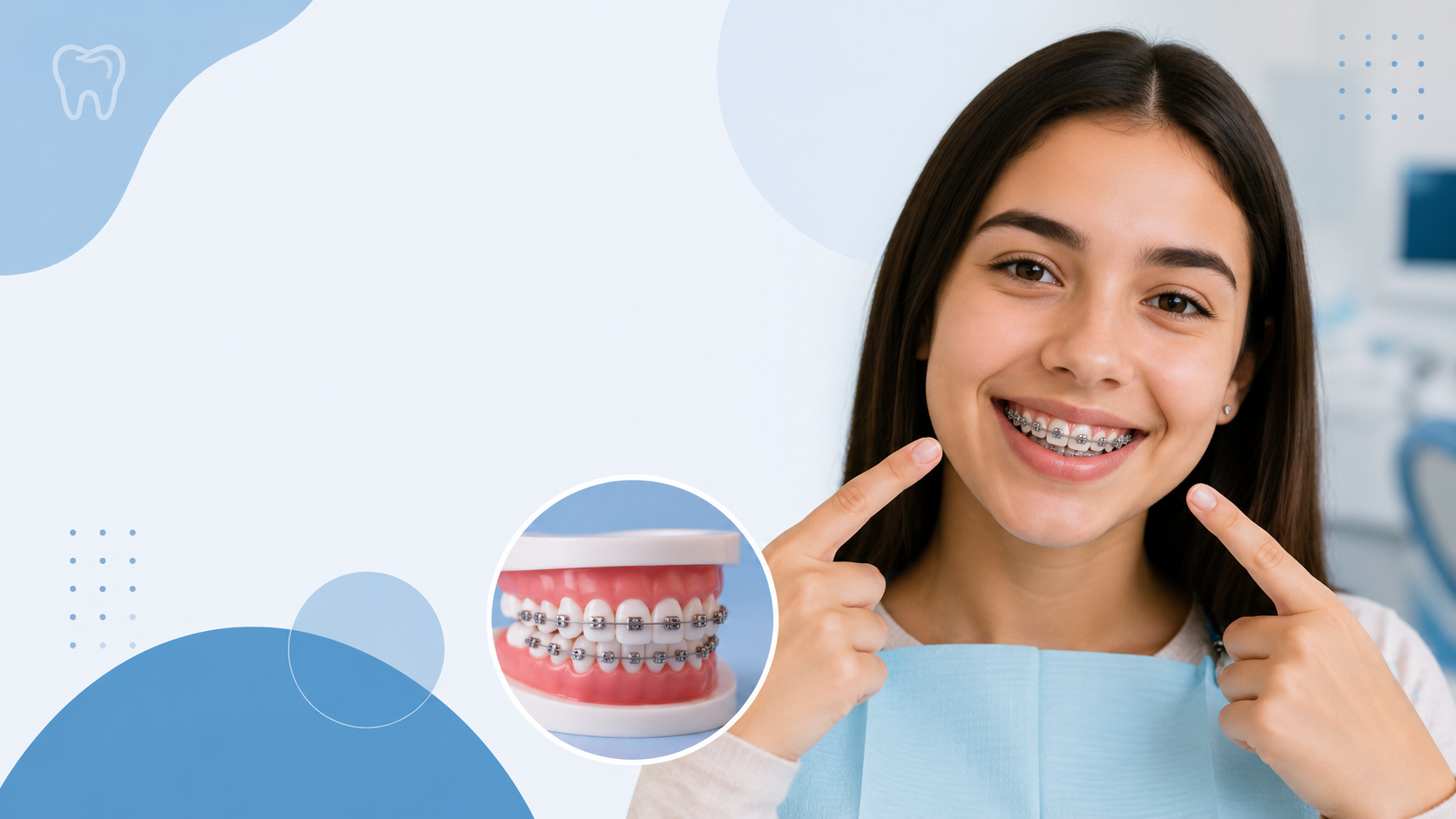
Introduction: The Question Every Braces Patient Asks First
“How long will I have to wear braces?”
It’s the very first thing most patients ask—and honestly, it’s a completely fair question. Whether you’re a parent researching options for your teenager or an adult finally ready to fix that crooked smile, the timeline matters. It helps you plan your life around treatment, stay motivated on tough days, and set realistic expectations from the start.
Here’s the thing — there’s no one-size-fits-all answer. Braces treatment is highly individualised, and the duration depends on factors unique to your teeth, jaw structure, and oral health. But as the top dental braces specialist in Nallagandla, the expert team at Finedent Dental Clinic is here to break it all down for you in a way that’s clear, honest, and genuinely helpful.
Let’s dive in.
The Average Braces Treatment Timeline
For most patients, brace treatment lasts somewhere between 12 and 36 months. The majority of cases — particularly those involving moderate misalignment — are completed within 18 to 24 months.
Here’s a rough guide by complexity:
- Mild crowding or minor spacing: 6 to 12 months
- Moderate alignment issues: 12 to 18 months
- Severe crowding, bite problems, or jaw misalignment: 24 to 36 months
These are estimates, not guarantees. Every mouth is different, and your actual timeline will only become clear after a thorough clinical examination, X-rays, and a detailed consultation. At Finedent, the top dental braces specialist in Nallagandla creates a fully personalised treatment plan — so you walk in knowing exactly what lies ahead before a single bracket is placed.
Factors That Determine How Long Your Treatment Takes
Why does one person finish braces in a year while another wears them for three? Here are the key variables:
- Severity of Misalignment This is the single biggest factor. Minor gaps or slight crowding need far less correction than a severe overbite, underbite, or significantly rotated teeth. The more movement required, the longer the treatment.
- Your Age Teenagers tend to respond faster because their jaws are still developing and more responsive to orthodontic forces. Adult bone is denser and more settled, so treatment may take slightly longer — but the results are just as impressive. Age is never a barrier to a great smile.
- Type of Braces Different systems work at different speeds:
- Traditional metal braces — highly effective for all case types and very reliable
- Ceramic braces—work the same as metal but less visible
- Self-ligating braces—reduced friction may help speed things up in some cases
- Clear aligners (Invisalign) — excellent for mild to moderate cases, but only effective when worn 20 to 22 hours daily without fail
- Patient Compliance This one is entirely in your hands. Skipping appointments, breaking brackets, ignoring elastic wear instructions, or eating the wrong foods can add months to your timeline. The more committed you are, the faster and smoother your results will be.
- Oral Health During Treatment Cavities, gum inflammation, or other dental issues that arise during braces treatment may require pausing orthodontic progress until they’re resolved—adding delays that could have been avoided with good hygiene habits.
- Bite Correction Complexity Aligning teeth is one part of the picture. Correcting a deep bite, open bite, crossbite, or jaw discrepancy simultaneously makes treatment more involved—and naturally extends the timeline.
The Phases of Braces Treatment Explained
Knowing what’s happening at each stage makes the journey feel far more manageable.
Phase 1 – Levelling and Aligning (Months 1 to 6) The early stage focuses on getting teeth into a basic aligned position. This is when movement is most dramatic—and when you’re most likely to feel discomfort after adjustments. Soreness typically settles within two to three days.
Phase 2 – Space Closure and Bite Correction (Months 6 to 18) Once the teeth are reasonably aligned, your orthodontist focuses on closing gaps, correcting the bite, and fine-tuning positioning. Elastics or auxiliaries may be introduced here to assist bite correction.
Phase 3 – Finishing and Detailing (Final Months) This is precision territory. Small, careful adjustments are made to perfect your bite and ensure every tooth sits exactly where it should. Rushing this phase is the most common reason for underwhelming final results—so patience here pays off.
Phase 4 – Retention (Ongoing) Once your braces are removed, retainers are fitted straight away. This phase is permanent in nature — some level of retainer wear is recommended long-term to stop teeth from gradually shifting back to their old positions.
Can You Actually Speed Up Braces Treatment?
It’s a common wish—and there are genuine ways to stay on track:
- Never skip appointments. Each visit triggers the next stage of movement. A missed appointment can delay progress by weeks.
- Wear your elastics as prescribed — they’re critical for bite correction and skipping them is one of the most common causes of extended timelines.
- Maintain excellent oral hygiene to avoid complications that force treatment pauses.
- Stick to dietary guidelines — hard, sticky, and crunchy foods are the enemy of brackets and wires.
- Report breakages immediately. Don’t wait until your next scheduled visit if a wire snaps or a bracket comes loose.
Some clinics also offer technologies like AcceleDent or Propel that stimulate bone remodelling and may reduce treatment time in eligible patients. Ask the top dental braces specialist in Nallagandla at Finedent whether you’re a candidate.
Braces for Adults — Is It Ever Too Late?
Not even close. Adult orthodontics is one of the fastest-growing areas of dentistry, and for good reason. A straighter smile doesn’t just look better — it’s easier to clean, reduces wear on teeth, and can significantly improve jaw comfort and function.
Yes, adult treatment may take a little longer than teenage treatment. There may also be additional considerations like existing dental restorations, gum health, or bone density. But none of these are reasons to avoid treatment — they simply mean your plan needs to be tailored carefully.
As the top dental braces specialist in Nallagandla, Finedent has helped patients in their 30s, 40s, and beyond achieve smile transformations they never thought possible. It truly is never too late.
Life After Braces — What Comes Next?
The moment your braces come off is genuinely exciting. But the work isn’t entirely over. The retention phase begins immediately, and it’s just as important as active treatment.
You’ll be fitted with a retainer—removable or fixed—to hold your teeth in position while the surrounding bone stabilises around them. Neglecting retainer wear is the number one reason people see their teeth shift after braces. Wear it as directed, attend follow-up visits, and your results will last a lifetime.
Why Finedent Is Nallagandla’s Trusted Choice for Braces
At Finedent Dental Clinic, orthodontic treatment is delivered with a combination of clinical precision, modern technology, and genuine patient care. Here’s why families and individuals across Hyderabad choose us as the Top Dental Braces Specialist in Nallagandla:
- Qualified orthodontists with extensive experience across all case types
- Full range of options — metal, ceramic, self-ligating, and clear aligners
- Advanced digital X-rays and 3D smile planning
- Honest, transparent timelines discussed upfront
- Competitive and affordable pricing with flexible payment plans
- Conveniently located and easily accessible from Kondapur, Tellapur, Financial District, and surrounding areas
Every smile we treat gets the attention and precision it deserves — from the first consultation to the final retainer fitting.
Conclusion: Your Best Smile Starts With One Conversation
Braces treatment is a journey, and the timeline looks different for everyone. What stays constant is this — the result is always worth the commitment. A healthy, straight, confident smile changes the way you look, the way you feel, and the way the world sees you.
At Finedent Dental Clinic, the top dental braces specialist in Nallagandla, we’re ready to map out your personalised treatment plan and support you at every stage of the process.
📞 Book your orthodontic consultation today at finedent.in — your best smile is closer than you think.
Frequently Asked Questions (FAQs)
Q1. What is the best age to start braces treatment?
The ideal age is between 11 and 14, when most permanent teeth have come through and the jaw is still growing. That said, adults of any age can achieve excellent results—there is no upper age limit for orthodontic treatment.
Q2. Are braces painful throughout the entire treatment?
No. Discomfort is most noticeable in the first few days after braces are fitted and after each adjustment appointment. It usually settles within two to three days and is easily managed with over-the-counter pain relief.
Q3. What happens if my teeth shift after braces are removed?
Minor shifting can happen if retainers aren’t worn consistently. If you notice significant movement, visit your orthodontist promptly. Depending on the extent of the shift, a new retainer or a short course of retreatment may be recommended.